EN
EN

The standard hanger rollers we see made from nylon or polyurethane just don't hold up well in those heavy duty situations. When these materials get pressed for long periods, they start to bend out of shape which causes all sorts of problems like things getting off track and weights distributed wrong across the system. A recent study looking at roller performance back in 2023 found something pretty telling - around 6 out of 10 nylon rollers actually crack after only about 18 months of service in those big industrial sliding doors. Polyurethane does fare a bit better than nylon, but it still has issues with extreme temperatures. Get it too hot and it gets all gooey, drop below 40 degrees Fahrenheit and it turns rock hard. Neither material really stands up to what happens when doors slam shut suddenly, causing those annoying track hopping incidents where the rollers literally jump out of their grooves during unexpected movements.
Standard rollers designed for 200 to 400 pound loads simply can't handle today's industrial sliding doors that frequently weigh over 800 pounds. When there's this kind of weight discrepancy, problems start showing up pretty quickly. The main issues we see on site are bent axles caused by sideways force, tracks that warp because all the weight is focused in one spot, and bearings that seize up when twisted too much. According to tests published in Material Science Quarterly, regular nylon rollers begin losing strength fast - about 34% less capacity after only 500 door movements. Stainless steel options tell a different story though. These tougher alternatives hold onto nearly all their strength even after thousands of cycles, maintaining around 98% of original capacity past the 5,000 cycle mark.
Rollers subjected to continuous stress typically degrade through several stages. First comes surface damage where tiny cracks form pits on the material. Then heat builds up causing lubricants to break down over time. Moisture gets into bearings and starts corrosion processes, eventually leading to complete failure of the roller assembly. According to industry data released last year, about three quarters of early replacements happen at places where doors open and close more than fifty times each day. Heavy duty models equipped with anti sag features need far less frequent servicing than standard versions. Door manufacturers claim these advanced systems cut maintenance needs down by roughly eighty percent, which makes them worth considering for high traffic areas.
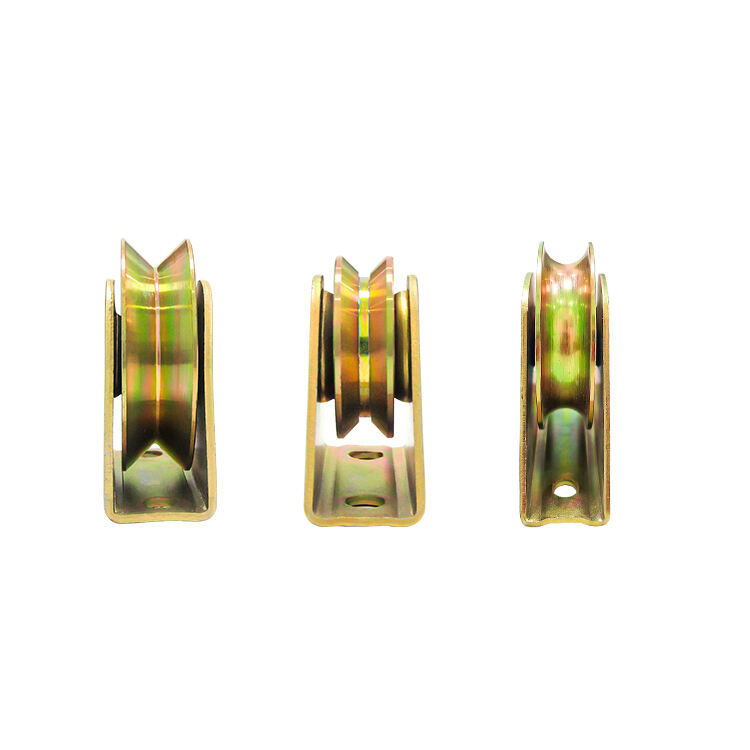
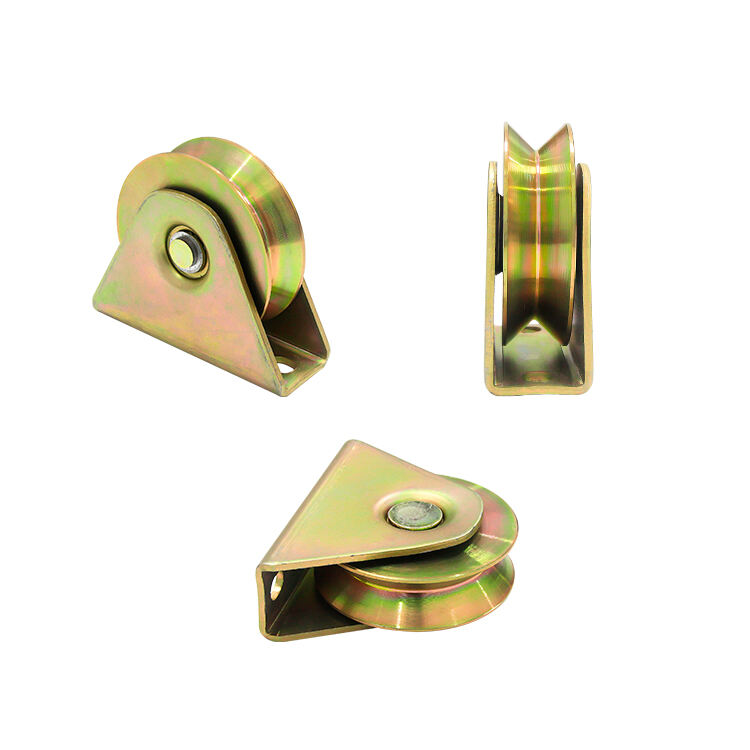
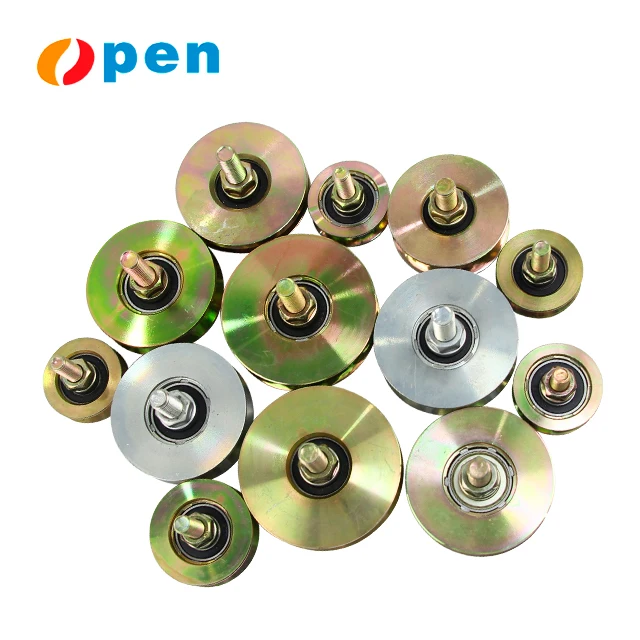
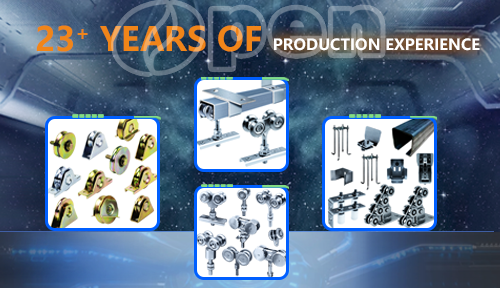
Heavy duty hanger rollers that are reinforced feature concave steel ball bearings which spin on hardened steel axles. This design cuts down on friction quite a bit actually about 53 percent when compared to those standard nylon wheels according to Industrial Hardware Journal back in 2023. The curve of these rollers fits right into standard 3.5 inch tracks too. What's interesting is that this shape increases the contact area by around 28%, so there's much less chance of them coming off track even when carrying heavy stuff. Made from stainless steel, these parts stand up well against salt corrosion too. They were tested for more than 150 hours using ASTM B117 standards. Plus they work just fine across pretty extreme temperature ranges from as cold as minus 40 degrees Fahrenheit all the way up to 220 degrees Fahrenheit without any issues.
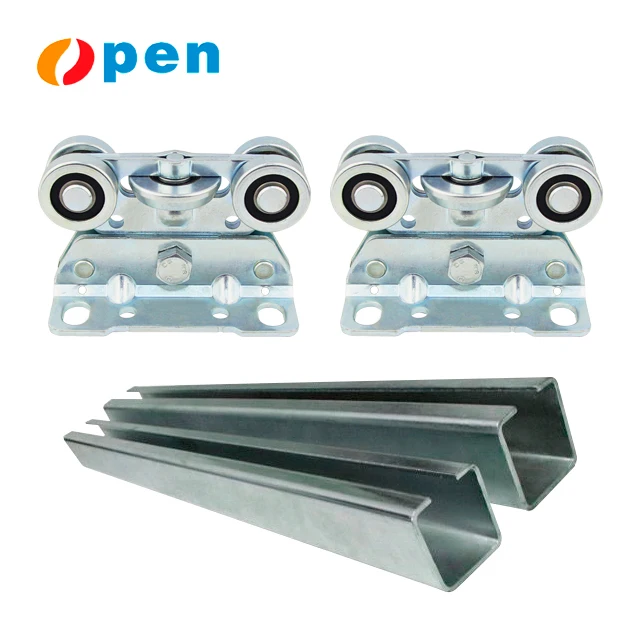
Dual-roller configurations distribute weight across parallel 8mm steel shafts, each supporting up to 550 lbs. Laboratory tests show tandem systems maintain linear motion 40% longer than single-roller setups under 1,200 lb cyclic loads. Staggered roller placement allows continued operation even if one bearing begins to degrade, eliminating single-point failure risks.
Engineered counterbalance systems manage door weight through three key components:
Together, these features prevent track deformation and maintain alignment within <2mm variance over a 20-year simulated lifespan.
Stainless steel hanger rollers have much better tensile strength compared to regular alloys, about two to three times stronger actually. Plus they naturally resist corrosion thanks to that protective chromium oxide layer on their surface which stops rust from forming. This makes these rollers work really well in places where there's lots of moisture or exposure to harsh chemicals. When it comes to marine environments specifically, grade 316 stainless steel stands out because it can handle saltwater damage for roughly eight times longer than what galvanized options manage. And speaking of strength, these bad boys can support weights over 3,500 pounds without giving way. For industries dealing with tough conditions day after day, this kind of durability means fewer replacements and less downtime overall.
FRP rollers cut weight down between 40 to 60 percent while still holding up pretty darn well over time. Materials such as glass filled nylon and PEEK can reach compression strength around 25,000 psi when they mix flexible polymers with those embedded fibers. What makes these materials stand out is how they handle UV light and chemicals much better than regular plastics do. That's why many food processors prefer them for doors that open and close all day long in their facilities. Plus there's something else worth mentioning too their ability to dampen vibrations actually means less wear on tracks about 22 percent less according to tests run against metal alternatives.
Recent testing reveals stainless steel rollers withstand dynamic loads up to 3,800 lbs (Ponemon 2023), while reinforced polymer variants support 1,200–1,800 lbs depending on fiber composition. Key findings include:
These results confirm that stainless steel is optimal for extreme loads, while reinforced polymers excel in weight-sensitive, high-cycle applications.
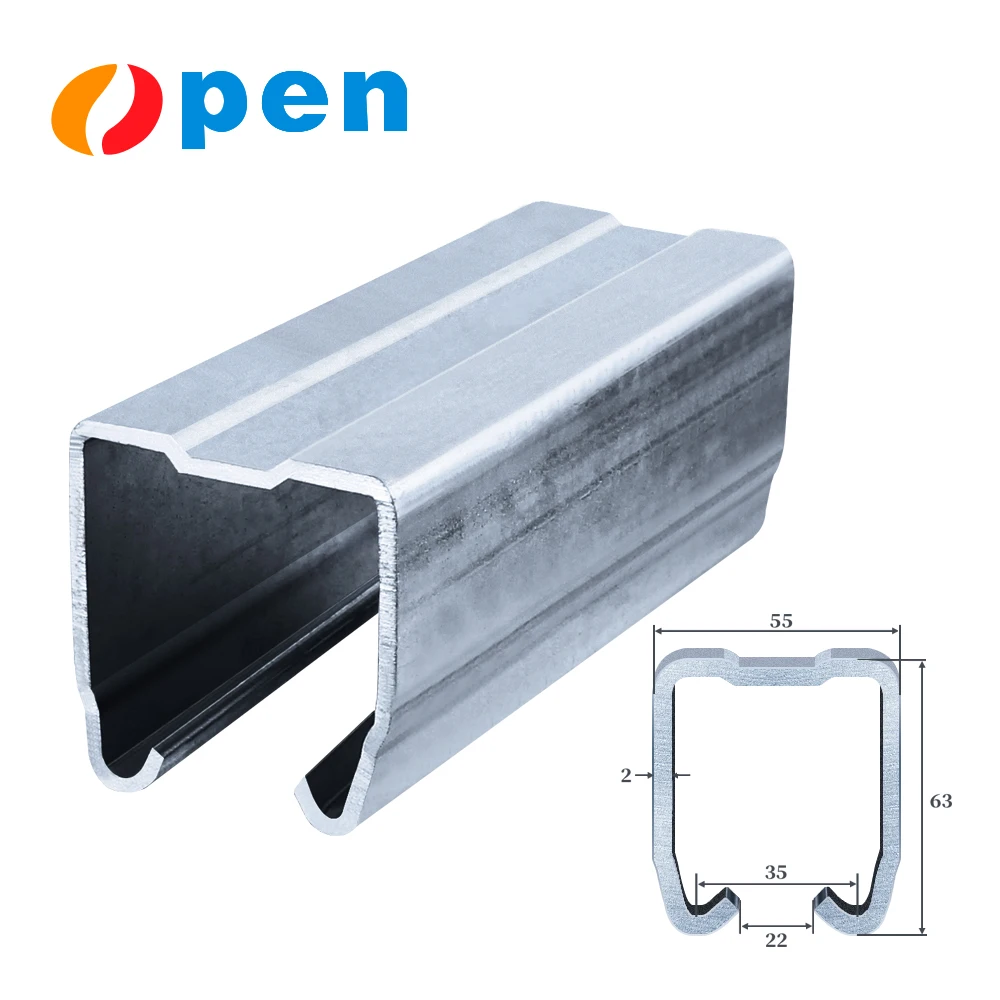
The reliability of heavy duty sliding doors really comes down to how well all the parts work together - rollers, tracks, and hardware need to be compatible. When components don't match up properly, like putting stainless steel rollers on aluminum tracks, it leads to uneven wear problems that can cut the lifespan of the whole system nearly in half according to recent material compatibility studies from last year. Getting things aligned just right makes sure weight is spread out evenly across the track, which stops those annoying door sags over time. Take tandem roller systems as a good example. These setups actually need special tracks with stronger side walls because they have to withstand some serious lateral force, talking about around 1200 pounds per linear foot or more in many cases.
Keeping hanger rollers well maintained can actually double their lifespan, often adding anywhere between 3 to 5 extra years of service. Plants that stick to regular maintenance twice a year tend to replace parts about 40 percent less frequently compared to facilities waiting until something breaks down first. What needs doing? Clean out all the dirt and grime from the tracks at least once each month. The ball bearings should get fresh grease applied roughly every six to eight months or so. Don't forget to check those mounting brackets too they need tightening to around 18 to 22 foot pounds of torque. When people skip lubrication routines, friction goes up dramatically about 30% increase after just one year which means components start wearing out much faster than normal.
A Midwest logistics hub upgraded its 18-ton freezer doors to stainless steel tandem rollers. Post-installation performance showed significant improvements:
| Metric | Before Upgrade | After 24 Months | Improvement |
|---|---|---|---|
| Annual maintenance hours | 120 | 45 | 62.5% |
| Load capacity | 12 tons | 18 tons | 50% |
| Replacement frequency | 9 months | 28 months | 210% |
The new rollers operated smoothly under -20°F conditions and withstood over 300 daily cycles without track deformation—a common failure in standard systems.
Industrial stress tests highlight stark differences between heavy-duty and standard hanger rollers. Standard nylon or polyurethane models begin deforming at around 250 lbs (113 kg), while reinforced stainless steel versions withstand over 1,000 lbs (454 kg) without structural compromise.
| Performance Metric | Standard Rollers | Heavy-Duty Rollers |
|---|---|---|
| Average Load Failure Point | 250–300 lbs (113–136 kg) | 1,000+ lbs (454+ kg) |
| Common Failure Mode | Cracking, axle bending | Surface wear only |
| Material Composition | Nylon/polyurethane | Stainless steel alloys |
| Maintenance Interval | 6–12 months | 3–5 years |
Fatigue testing confirms heavy-duty rollers retain 92% functionality after 500,000 cycles—four times the lifespan of standard models under identical loads. This enhanced durability stems from tandem designs that reduce individual component stress by 63% (Material Science Institute 2023).
Reliable performance really depends on how well the rollers work together with their tracks and supporting structures. The best quality systems pair those concave steel ball bearings with toughened track surfaces, which creates these durable contact points that waste less energy over time. What makes top tier rollers stand out? They have those special anti-sagging features that keep vertical movement under control even when fully loaded. We're talking about less than half a millimeter of droop compared to standard models that typically sag three times as much. This kind of precision matters a lot for applications where every fraction of a millimeter counts.
A lot of roller problems happen even when good quality materials are used. About one third of all failures actually come down to how they're put together. People often mess up by letting tracks get out of line more than 2 millimeters apart, tightening bolts so much it bends the bearings, or not leaving enough space for parts to expand when they heat up. Getting things calibrated right makes sure friction stays between those sweet spots of around 0.10 to 0.15 mu, which stops components wearing out too soon. Looking at what happens in actual operations, professionally done installations last way longer. Heavy duty systems installed correctly tend to make it through ten whole years about 97 times out of 100. Meanwhile, folks who try doing their own installs with fancy parts still end up replacing them much sooner, with only about 4 out of 10 making it past decade mark.
Standard rollers made from materials like nylon or polyurethane tend to fail under heavy loads due to their inability to maintain shape and strength over time, especially under extreme temperature conditions.
Reinforced heavy-duty rollers employ materials like stainless steel that offer better tensile strength and corrosion resistance, as well as specialized designs that reduce friction and distribute weight more evenly.
Regular maintenance involving cleaning tracks, regreasing ball bearings, and ensuring tight mounting brackets can significantly extend the lifespan of hanger rollers.
Reinforced polymers offer lightweight yet durable alternatives that are particularly effective in high-cycle, weight-sensitive applications, providing benefits such as reduced abrasion and better chemical resistance.
 Hot News
Zhejiang Open Electromechanical provides premium sliding door hardware and gate accessories for global markets. Our advanced equipment, 20+ years of expertise, and 20+ patents deliver durable, innovative solutions. ISO-certified manufacturer. Partner with us today!