EN
EN

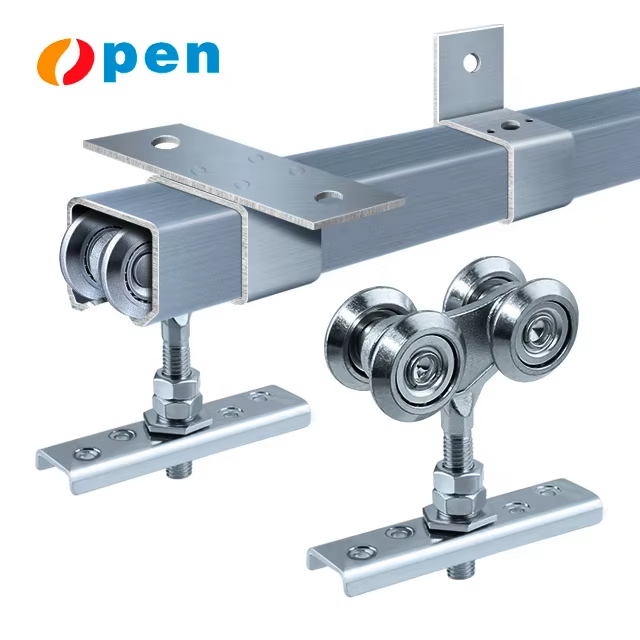
Why Hanger Roller Selection and Condition Dictate Sliding Door Performance
How hanger roller design impacts load distribution, glide consistency, and long-term track wear
The way hanger rollers are engineered has a major impact on how doors actually work, mainly through three key factors. For starters, when multiple points share the weight instead of concentrating it all in one spot, this helps prevent stress buildup on the tracks. We've seen commercial installations where this approach cuts down metal fatigue by around 40%, though results can vary depending on usage conditions. Next up, those sealed bearings really matter because they keep dirt out of the system, which is what typically causes that annoying jerking motion when doors move. And finally, using hardened steel rollers with polymer coatings makes a big difference too. These combinations reduce wear on aluminum tracks significantly, so the whole system lasts longer before needing replacement. When manufacturers cut corners on design, several problems tend to pop up: loads get distributed unevenly, there's inconsistent resistance when moving, and sometimes metal parts rub against each other directly. All these issues speed up track damage, create frustrating delays during operation, and leave visible scoring marks along guide channels.
Data insight: 68% of sliding door failures stem from misaligned or degraded hanger rollers (2023 NAHB Door Systems Survey)
Looking at industry data shows that most problems come down to bad roller conditions actually accounting for well over two thirds of all malfunctions. According to the 2023 NAHB Door Systems Survey, three main issues cause these failures. First there's the gradual misalignment when things aren't installed properly. Then we see bearings breaking down especially in places where humidity is high. And finally small parts just can't handle the stress they're put through sometimes. Roller condition matters way more for reliable operation than people often realize compared to things like track quality or what kind of panels are used. For maintenance teams, checking rollers regularly makes sense. Facilities that get lots of traffic need inspections every six months approximately to catch problems early on before they become serious. Things like inconsistent tread wear or sudden increases in friction while rotating are warning signs worth paying attention to during these checks.
Precision Hanger Roller Installation: Step-by-Step Best Practices
Pre-installation diagnostics: Identifying wear patterns, binding symptoms, and frame compatibility
Before putting in those new hanger rollers, take time to run through some diagnostics first. Check out what condition the old rollers are in - look for flat spots or grooves that tell us they've been misaligned for a while. If things feel jerky when moving or there's grinding sounds coming from somewhere, that usually means there's friction happening between the track components. Also important to know what kind of frame we're dealing with here. Wooden frames expand and contract with seasons so we need rollers that can handle about +3mm extra space. Steel frames are different though; they need hardware that won't rust over time. When measuring track width, get those calipers out and aim for around 13 to 15mm clearance for standard rollers. Don't forget to clean up all the dirt and grime too. Leftover debris just creates wear and tear down the road. Following these basic checks actually stops most problems before they start, saving folks from headaches later on.
Torque-controlled removal and reinstallation to prevent frame distortion and ensure hanger roller alignment integrity
Using torque-controlled tools when taking things apart or putting them back together helps keep everything structurally sound. Most residential frames need around 8 to 12 Newton meters on the torque wrench according to what the manufacturers recommend. Going too tight can actually warp frames between half a millimeter and two millimeters, which throws off the rollers completely. Before putting those new hanger rollers in place, give those mounting threads a good clean out first. When tightening, apply steady pressure until the wrench gives that familiar click sound, but absolutely never force anything if it doesn't want to go. After installation, check how the door moves along its tracks. If there are consistent gaps of about three to five millimeters across the entire length, then things should be aligned properly. Stick with this approach instead of just guessing at tightness, and not only will metal parts last longer without wearing out prematurely, but studies show roller life actually increases by roughly forty percent over time compared to old fashioned manual methods.
Advanced Hanger Roller Alignment and Micro-Adjustment Techniques
Laser-level verification and sequential micro-adjustment for dual-hanger systems
When working with dual hanger roller setups, using laser level verification takes the guesswork out of getting things properly aligned. The process starts with installers creating a perfectly flat reference line along the track, typically done with Class II lasers that have an accuracy rating below 0.3mm per meter. What comes next involves several steps of fine tuning. First, the main hanger rollers get their initial vertical placement set correctly. Then the secondary ones need careful adjustment within a half millimeter range either way. Throughout all this, technicians keep an eye on the torque specs for fasteners, aiming for between 2.5 and 3.5 Newton meters as recommended. This approach fixes those annoying diagonal binding issues and makes sure the door's weight gets distributed evenly across both rollers instead of resting too heavily on one side. According to computer modeling of load distributions, proper alignment can actually make tracks last around 60% longer than they would otherwise. That means fewer replacements down the road since uneven pressure stops those early signs of wear showing up in the roller grooves.
Emerging trend: Self-centering cam-adjustment hanger rollers in residential retrofits (2024 Fenestration Market Report)
According to the latest Fenestration Market Report from 2024, there's been quite a jump in home retrofits using these new self-centering cam adjustment hanger rollers. We're talking about a 42% rise year over year. What makes these systems stand out? They have those floating cam mechanisms that actually compensate for up to 4mm frame irregularities. No tools needed for vertical alignment thanks to those handy quarter turn knobs. Plus they come with preloaded tension springs so the roller pressure stays consistent throughout installation. Contractors are seeing something remarkable too field data indicates around 78% fewer service calls after installation when compared to old fashioned shim adjusted rollers. Makes sense really. More and more homeowners want solutions that allow fine tuning without having to tear things apart. Especially important for older properties where windows often aren't perfectly plumb to begin with.
Essential Tools and Safety Protocols for Professional Hanger Roller Work
Working on hanger rollers demands specialized tools and strict safety adherence. Essential gear includes load-rated lifting equipment (hoists, slings) certified to ANSI/OSHA standards; ANSI-rated safety glasses, cut-resistant gloves, and steel-toed boots; impact-resistant helmets and full-body harnesses for overhead work; and laser levels and micro-adjustment tools for precision alignment.
Safety protocols require establishing clear work zones to prevent unauthorized access; conducting pre-operation equipment inspections (cranes, lifts, rigging); implementing lockout/tagout procedures during tension adjustments; and using reliable communication systems between ground and elevated crews.
Never compromise on PPE or bypass safety checks—a single misstep during hanger roller installation can cause catastrophic door failure or injury. Prioritize certified equipment and documented procedures over makeshift solutions.
Frequently Asked Questions (FAQ)
What are hanger rollers?
Hanger rollers are components used in sliding door systems to guide and support the door along its track, ensuring smooth operation and reducing wear on the tracks.
Why is hanger roller alignment important?
Proper alignment ensures even weight distribution, reduces stress and wear on tracks, and minimizes malfunctions such as door binding and difficulty in sliding.
How can I tell if my hanger rollers are degraded?
Signs of degraded rollers include audible grinding sounds, jerky movements, inconsistent tread wear, and sudden increases in friction.
How often should hanger rollers be inspected?
For high-traffic facilities, hanger rollers should be inspected approximately every six months to identify and address potential issues early.