EN
EN

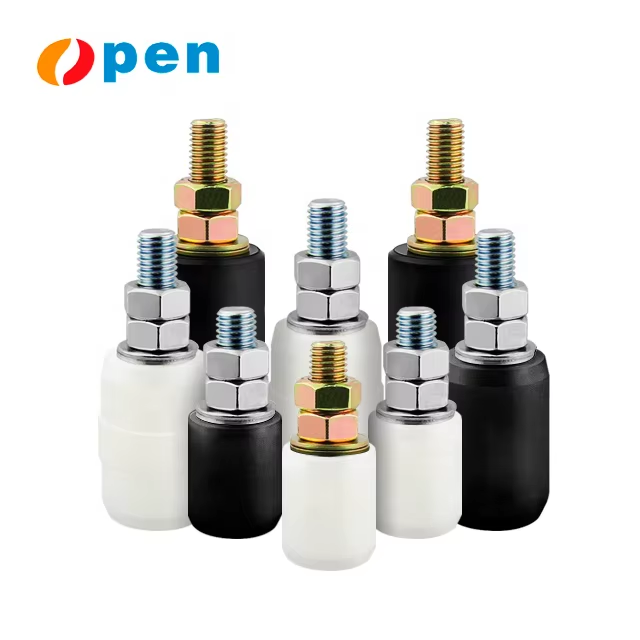
Material Superiority: Why Nylon Rollers Outperform Metal in Sliding Gate Systems
Low-Friction, Self-Lubricating Properties for Smooth, Consistent Gate Movement
Nylon rollers eliminate metal-on-metal grinding through inherent self-lubrication—reducing friction without external grease or oil. This delivers silent, consistent gate motion and cuts operational noise by up to 40% compared to steel alternatives. The smooth engagement also prevents track deformation, directly contributing to longer system life.
Corrosion Resistance and UV Stability — Ideal for Coastal, Humid, and Outdoor Environments
Nylon stands up to salt spray, high humidity levels, and various chemicals without breaking down the way metal rollers do when they start to corrode or need those extra protective coatings applied regularly. When it comes to UV stabilized versions specifically, these materials keep their flexibility even after months out in direct sunlight. They don't become brittle or crack like some other materials might over time. Because of all this durability factor, many industries have switched to nylon components for equipment located near coastlines where salt air is a constant problem. We also see them used extensively around factories and manufacturing sites that deal with harsh environmental conditions year round. And let's not forget about areas where temperatures swing dramatically between seasons – nylon just handles those extremes better than most alternatives on the market today.
Thermal Resilience and Impact Absorption Under Load and Temperature Variation
Nylon maintains its strength even when temperatures swing between really cold and pretty hot conditions, specifically from as low as -40 degrees Fahrenheit all the way up to around 220 degrees Fahrenheit (-40 Celsius to about 104 Celsius). What makes nylon so special is how it bends at the molecular level, which helps soak up those sudden jolts when gates slam shut or weights shift unexpectedly during operation. This property actually protects the track system from getting damaged over time. Tests done by third parties show that these nylon rollers can handle well over 1,500 pounds each without bending out of shape permanently. When compared side by side with aluminum alternatives, nylon comes out ahead by roughly 30 percent when it comes to distributing weight evenly across surfaces.
Application-Specific Performance: Nylon Rollers Across Residential, Commercial, and Industrial Sliding Gates
Residential Use: Quiet Operation, Vibration Dampening, and Aesthetic Integration
Nylon rollers run almost silently and really cut down on vibrations, which means they can reduce noise transmission by around 40 to 60 percent compared to metal ones. That's why they work so well in houses next to bedrooms or anywhere where sound matters a lot. The material is pretty forgiving too, so it handles those small alignment issues that happen all the time when people install things themselves at home. Plus, these rollers come with built-in lubrication that keeps tracks looking clean and free from stains, maintaining their appearance without needing constant upkeep. Nylon doesn't expand or contract much with temperature changes throughout the seasons, so whatever gets installed with these rollers stays working properly no matter what time of year it is.
Commercial & Industrial Use: High-Load Capacity, Reduced Track Wear, and Extended System Lifespan
Nylon rollers designed for engineering purposes can handle weights over 1,200 kg each unit, which makes them suitable for those tough warehouse gates and important security systems around facility perimeters. What sets these apart is how they actually work when loaded down. The material's ability to compress distributes weight better along the rails, bringing down spot pressure on tracks by about 70% compared to standard metal wheels. This matters because it stops those grooves from wearing out too fast, something that causes most rail failures in places where traffic is constant. These rollers also resist corrosion and hold up against UV exposure, so they keep working properly even in coastal areas or places exposed to harsh chemicals. According to facility managers we've talked to, these components typically last between five to ten years without needing much attention at all. No regular lubrication or adjustments are necessary, which cuts down maintenance time and saves money overall. One recent industry report showed maintenance costs dropping by roughly 85% after switching to this type of roller system.
Operational & Lifecycle Benefits: Noise Reduction, Maintenance Savings, and Long-Term Reliability
Measurable Noise Reduction: Nylon vs. Steel Rollers in Automated Sliding Gate Installations
Sliding gates with nylon rollers run below 60 dB, which is actually quieter than regular talking. Compare that to around 85 dB for similar steel roller systems, roughly what we hear on busy roads. The difference in noise level is pretty significant, somewhere between 65% and 80% less sound. Nylon works this way because it soaks up vibrations instead of letting them pass through. Another benefit comes from self lubrication features that stop those annoying scraping noises. Plus, the material dampens out harmonic resonances in the rails themselves. All these factors make nylon a must have component when following city noise regulations, particularly important for operations after dark when disturbances matter most to neighbors.
Lower Maintenance Burden: Eliminated Lubrication Cycles and Predictable 5–10 Year Service Life
Nylon rollers basically eliminate the hassle of regular lubrication, dealing with corrosion problems, or making those annoying seasonal adjustments that steel parts always seem to need. Steel rollers? They require greasing every three months, which brings all sorts of issues like extra labor costs, potential contamination risks, and messy buildup on tracks over time. Nylon just keeps working without all that fuss for several years straight. The UV stabilized versions work great even when temperatures swing from minus 40 degrees Fahrenheit right up to 190 degrees Fahrenheit. Tests done by third parties show these nylon components last anywhere between five to ten years when used normally. Why does this happen? Well, nylon can handle impacts about three times better than steel does, plus it stands up pretty well against abrasive sands and accidental exposure to various chemicals too.
FAQ
Why are nylon rollers preferred over metal in coastal environments?
Nylon rollers offer excellent resistance to salt spray and high humidity, which prevents corrosion, a common issue with metal rollers in coastal areas.
How do nylon rollers reduce maintenance needs?
Nylon rollers eliminate the need for regular lubrication and adjustments, saving on maintenance costs and time required for upkeep.
Do nylon rollers withstand extreme temperatures?
Yes, nylon rollers handle temperature ranges from -40 to 220 degrees Fahrenheit, maintaining performance without cracking or losing flexibility.