EN
EN

Understanding Hanger Roller Noise: Causes and Common Symptoms
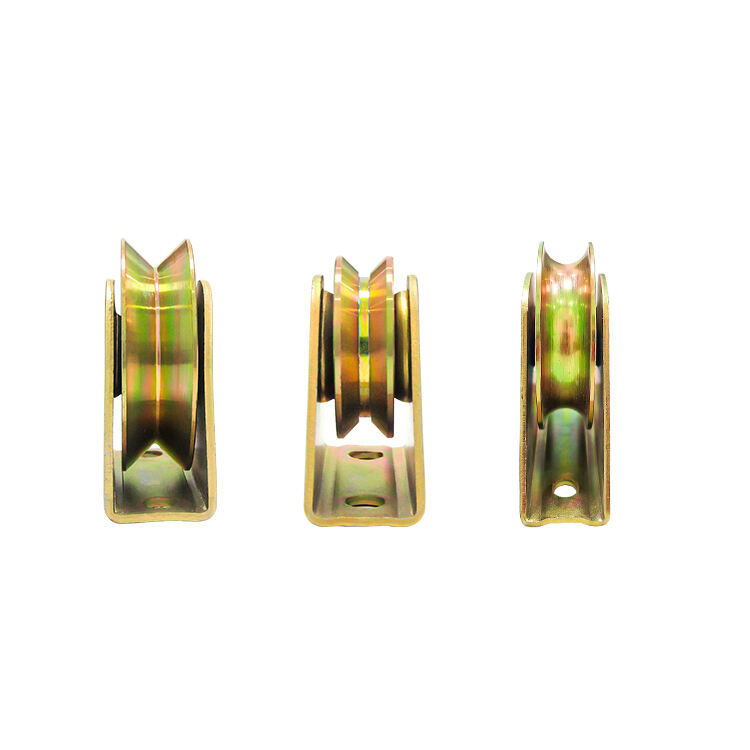
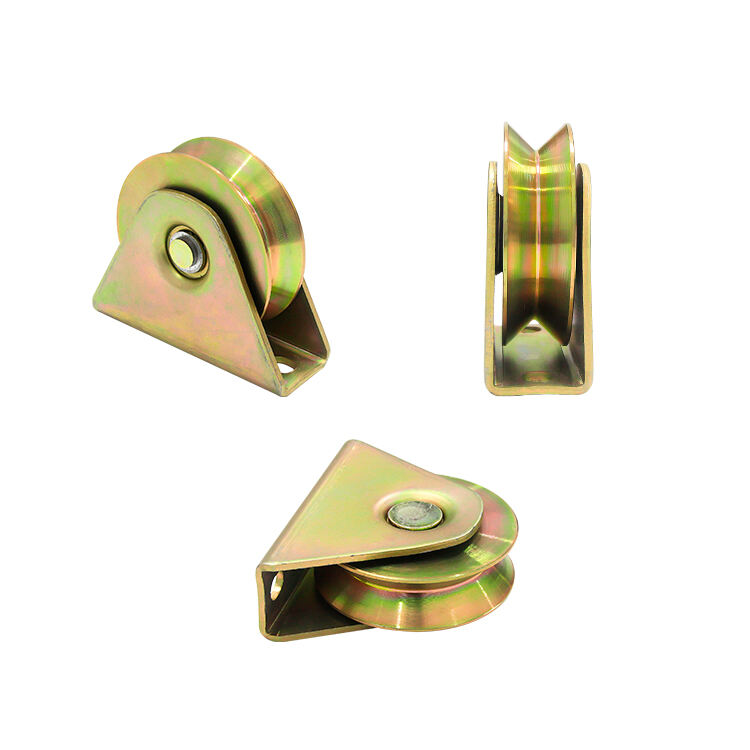
The Role of Hanger Rollers in Sliding Door Noise
Hanger rollers support up to 80% of a sliding door’s weight, enabling smooth movement along aluminum or steel tracks with minimal friction. When functioning properly, they operate silently. However, wear, misalignment, or contamination can transform this precision system into a source of persistent noise.
How Hanger Roller Mechanics Contribute to Sound Generation
Three primary factors generate hanger roller noise:
- Metal-on-metal contact: Worn bearings or degraded nylon casings expose steel components to direct track contact
- Vibration transfer: Loose mounting brackets amplify operational vibrations into audible rattles
- Debris interference: Even a small particle like sand can increase friction by 15–20%, according to material science studies
Common Noise Types: Squeaking, Grinding, and Rattling Explained
| Noise Type | Typical Cause | Immediate Action |
|---|---|---|
| High-pitched squeak | Dry bearings, lack of lubrication | Clean rollers, apply silicone spray |
| Intermittent grinding | Track debris, misaligned rollers | Vacuum tracks, check alignment |
| Constant rattling | Loose hardware, worn roller bushings | Tighten screws, inspect bushings |
Identifying Hanger Roller Issues Through Auditory and Operational Cues
Failing hanger rollers often present clear warning signs. Doors requiring more than 40% additional force to move typically have seized rollers, while uneven gaps exceeding 3mm indicate alignment issues. Metallic grinding during the first 10° of movement usually signals track debris, whereas rhythmic clicking suggests damaged bearing races.
Diagnosing Noisy Hanger Rollers: Inspection and Troubleshooting
Step-by-Step Troubleshooting for Noisy or Sticking Hanger Rollers
Isolate the noise source by opening and closing the door 5–6 times, noting changes in pitch or rhythm. Key culprits include roller bearing failure causing irregular rotation, metal-on-metal contact from misalignment, and foreign material trapped in roller grooves.
Checking Alignment, Load Distribution, and Track Condition
Use a 24" level to verify track horizontality—deviations greater than 1/8" per 3 feet require correction. Improper load distribution accounts for 38% of premature hanger roller failures. Essential checks include:
- Test weight balance by lifting each corner of the door; excessive resistance indicates uneven loading
- Inspect the track for dents or kinks that impede roller movement
- Confirm roller spacing matches manufacturer specifications
Detecting Wear, Debris, and Damage in the Hanger Roller System
Remove rollers for inspection:
- Roller surface: Scratches deeper than 0.5mm reduce load capacity
- Bearings: Stiff or gritty rotation indicates lubrication failure
- Mounting hardware: Loose brackets contribute to 22% of rattling complaints
Debris removal improves operation in 79% of cases (2023 Door Hardware Maintenance Report). Use compressed air (<30 PSI) followed by isopropyl alcohol wipes to clean without damaging components.
Cleaning and Lubricating Hanger Rollers for Smooth, Quiet Operation
Removing Dust, Grime, and Obstructions from Hanger Rollers and Tracks
According to Facilities Management Journal from last year, around three quarters of all those annoying hanger roller noises come down to just plain old dirt buildup. The first thing anyone should do is grab a good quality microfiber cloth and give those rollers and tracks a thorough wipe down. When dealing with really tough grime stuck in the bearing channels, reach for a soft bristle brush instead. Got some stubborn residue? Mix up a solution of one part vinegar to ten parts water and let it soak for about five minutes before giving it another go. And remember something important when cleaning - always move along the length of the track rather than across it. This helps prevent accidentally forcing dirt further into the mechanism where it can cause even more problems later on.
Best Cleaning Tools and Solutions for Hanger Roller Assemblies
| Tool | Purpose | Solution Compatibility |
|---|---|---|
| Microfiber cloth | Surface dust removal | Dry use only |
| Nylon brush | Bearing channel cleaning | Isopropyl alcohol (70%) |
| Compressed air | Blowing out fine particulates | Not applicable |
| Plastic scraper | Tackling adhesive residues | Citrus-based cleaners |
Avoid abrasive materials like steel wool, which scratch surfaces and exacerbate noise.
Choosing the Right Lubricants to Reduce Noise Without Attracting Dirt
Silicone-based lubricants reduce friction by 38% compared to petroleum alternatives and resist dust accumulation (Lubrication Engineering Study 2024). For heavy-duty applications, lithium-complex grease offers long-lasting noise suppression. Teflon-infused sprays are suitable for temporary fixes but require frequent reapplication.
Step-by-Step Guide to Applying Lubricant on Hanger Rollers
- Clean rollers thoroughly using recommended tools and solutions
- Shake the lubricant canister for 30 seconds
- Apply a pea-sized amount directly to the bearings
- Rotate the rollers manually 10 times to distribute the lubricant
- Wipe away excess with a lint-free cloth
Over-lubrication attracts dirt—any dripping means too much product was used.
Recommended Frequency and Maintenance Schedule for Lubrication
- Light residential use: Annual lubrication
- Commercial/high-traffic environments: Quarterly treatment
- After heavy storms: Immediate inspection and spot lubrication
If squeaking returns within two weeks of lubrication, worn components likely need replacement.
Adjusting and Aligning Hanger Rollers to Eliminate Friction and Noise
Adjusting Hanger Rollers for Proper Door Alignment and Smooth Glide
Find those adjustment screws around where the wheels are attached and grab your hex key. Turn them up or down until the door moves smoothly along the track without any binding. Lay a regular carpenter's level on top of the door to check if it sits straight left to right. There should be just enough space between the door and the frame so light can barely get through maybe about the thickness of a nickel or something similar. If we tighten these too much, the door will drag and wear out faster. But leave them too loose and the whole thing starts shaking and making noise when opened or closed, which nobody wants to deal with day after day.
Using a Level and Measuring Tools for Precise Roller Positioning
Getting things lined up right takes three main tools. First, grab a 24 inch spirit level to check if everything is truly horizontal. Then use those handy feeler gauges to keep the track clearance between 0.5 and 1 mm as specified. And don't forget the laser distance measurer which helps ensure all those rollers stay evenly spaced apart. A good idea is to mark reference points roughly every foot along the track so we can spot any misalignment developing over time. The numbers back this up too. When people actually use these tools instead of just eyeballing it, machines tend to run much quieter. Some tests found noise levels dropping by around 18 decibels when proper alignment techniques are applied compared to what happens when someone tries to do it by sight alone.
Fixing Misaligned Tracks That Stress the Hanger Roller Mechanism
Check tracks with a straightedge—warping exceeding 1/16" per foot commonly causes grinding. Gently reshape minor bends with a rubber mallet. For severe misalignment, loosen mounting brackets and reposition the track assembly. Before reinstalling the door, test the roller path with a 5–10 lb weight to ensure smooth travel.
Upgrading and Maintaining Hanger Rollers for Long-Term Quiet Performance
While DIY fixes like nylon spacers or bearing replacements offer short-term relief, upgrading to silent hanger roller models with sealed ball bearings and rubberized wheels reduces friction by up to 40% compared to standard units (Material Science Institute 2023). Consider repair versus replacement based on these factors:
| Consideration | Repair | Replace |
|---|---|---|
| Cost | $15–$40 (parts only) | $50–$150 per roller |
| Noise Reduction | 20–30% improvement | 70–90% improvement |
| Longevity | 6–18 months | 3–5 years |
Adopt preventive maintenance: clean tracks monthly, inspect rollers quarterly for flat spots or corrosion, and perform biannual lubrication and alignment checks. Facilities following this regimen report 65% fewer roller replacements over five years.
FAQ
What are hanger rollers?
Hanger rollers are components used in sliding doors to support the door's weight and facilitate smooth movement along tracks.
Why do hanger rollers make noise?
Hanger rollers can make noise due to wear, misalignment, debris interference, metal-on-metal contact, or loose mounting brackets.
How can I reduce noise from hanger rollers?
To reduce noise, clean the rollers, check alignment, lubricate regularly, and tighten any loose hardware.
What type of lubricant is best for hanger rollers?
Silicone-based lubricants are recommended for hanger rollers as they reduce friction and resist dust accumulation.
How often should I maintain hanger rollers?
Maintenance frequency varies: light residential use suggests annual lubrication, commercial environments should perform quarterly treatments, and checks should be done immediately after heavy storms.
Table of Contents
- Understanding Hanger Roller Noise: Causes and Common Symptoms
- Diagnosing Noisy Hanger Rollers: Inspection and Troubleshooting
- Step-by-Step Troubleshooting for Noisy or Sticking Hanger Rollers
- Checking Alignment, Load Distribution, and Track Condition
- Detecting Wear, Debris, and Damage in the Hanger Roller System
-
Cleaning and Lubricating Hanger Rollers for Smooth, Quiet Operation
- Removing Dust, Grime, and Obstructions from Hanger Rollers and Tracks
- Best Cleaning Tools and Solutions for Hanger Roller Assemblies
- Choosing the Right Lubricants to Reduce Noise Without Attracting Dirt
- Step-by-Step Guide to Applying Lubricant on Hanger Rollers
- Recommended Frequency and Maintenance Schedule for Lubrication
- Adjusting and Aligning Hanger Rollers to Eliminate Friction and Noise
- Upgrading and Maintaining Hanger Rollers for Long-Term Quiet Performance
- FAQ