EN
EN

Understanding Cantilever Gate Kit Fundamentals
What Is a Cantilever Gate Kit and How Does It Work?
Cantilever gate kits work based on counterbalance principles, which means there's no need for those annoying ground level tracks everyone hates. When installed properly, these gates rely on horizontal rollers attached to fixed posts to hold up their weight. About half of the gate actually extends behind the opening point to create this balancing effect. What makes them so great? They slide smoothly even when dealing with tricky terrain like slopes, gravel paths, or just generally uneven ground surfaces. Homeowners with difficult driveway situations often find these gates to be the best solution available on the market today.
Key Structural Components: Mounting Posts, Rollers (Trucks), and Counterbalance Systems
Three core components ensure stability and long-term performance:
- Mounting posts: Heavy-duty steel or aluminum posts provide anchoring strength, typically requiring 30% embedment depth in concrete for optimal support.
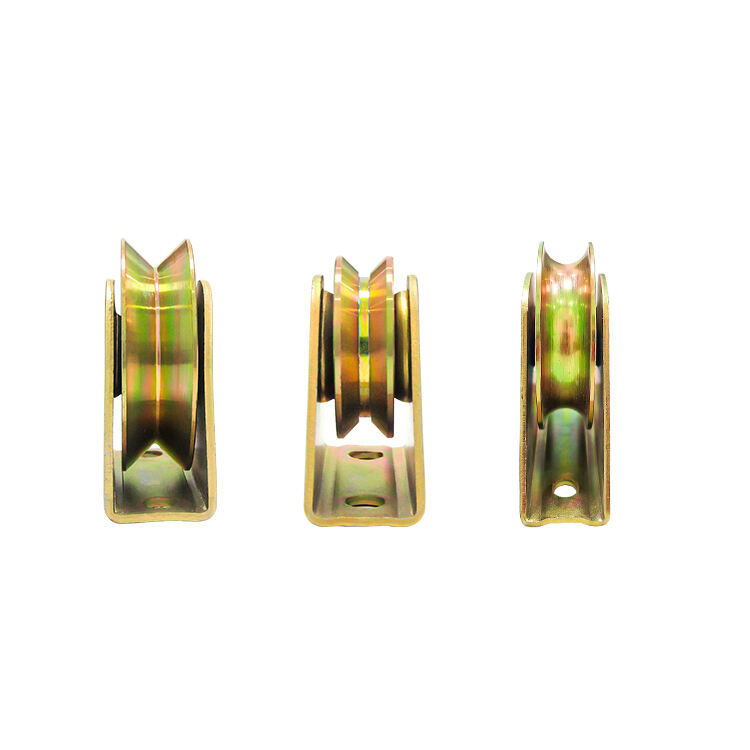
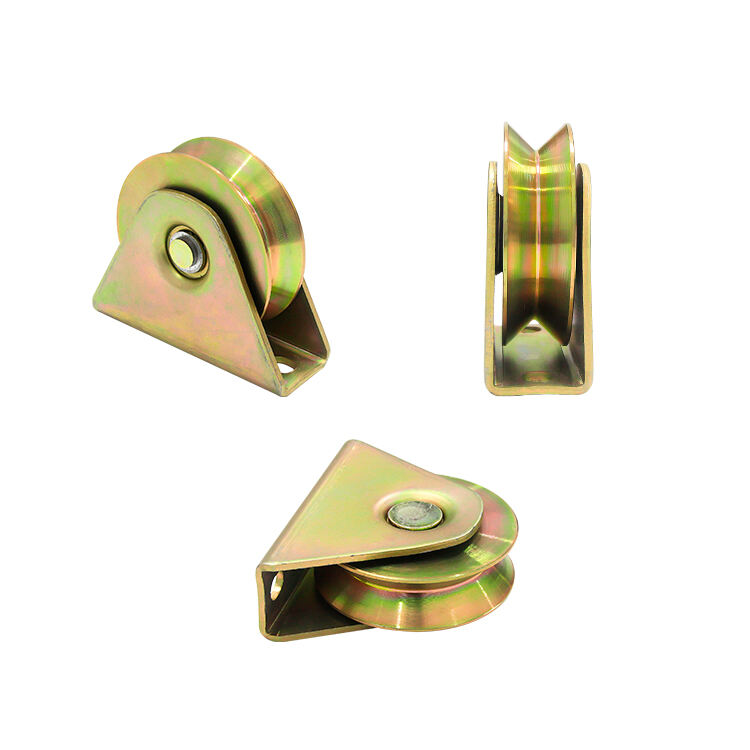
- Rollers (trucks): Hardened steel rollers with dual bearings can support up to 1,200 lbs (544 kg) while minimizing friction and wear.
- Counterbalance: The rear extension must equal half the gate's opening width to maintain balance and prevent tipping during operation.
Precise alignment is critical—misalignment can increase component wear by up to 40%, according to a 2023 Gate Hardware Study.
How Gate Sizing and Dimensions Impact Performance
Gate dimensions directly influence roller lifespan and operational efficiency. Exceeding recommended load or span limits accelerates mechanical stress. The following guidelines help ensure durability:
| Gate Width | Recommended Track Length | Max Weight Capacity |
|---|---|---|
| 20 ft | 30 ft | 850 lbs |
| 30 ft | 45 ft | 1,200 lbs |
Industry best practices recommend designing with a 10–15% safety margin to extend service life and accommodate environmental factors like wind load or thermal expansion.
Matching Cantilever Gate Types to Driveway Aesthetics and Security Needs
A well-chosen cantilever gate enhances both security and curb appeal, aligning with your property's architectural style and functional requirements.
Ornamental vs. Decorative Kits for Visual Appeal
For those looking to add some classic charm, ornamental kits come with detailed wrought iron scrollwork or aluminum pieces featuring pretty floral designs. They really stand out on older style houses wanting that everlasting elegant look. On the flip side, newer buildings tend to go for something different these days. Many homeowners opt for simple tubular frames or sharp geometric shapes instead. The finishes are usually matte black, bronze tones, or sometimes powder coated aluminum surfaces. What makes these modern options so popular? Well, they look clean and contemporary while standing up well against rust and weather damage too. Plus there's plenty of ways to customize them according to what fits best with the overall property design.
Chain Link and High-Security Variants for Functional Priorities
Galvanized steel chain link fences definitely save money when it comes to controlling access around property lines, though they just don't look very nice. When real security matters, people tend to go for those solid steel or composite panel gates instead. These come with all sorts of fancy features these days like rollers that won't let anyone mess with them and mechanisms that stop someone from lifting the gate off its tracks. We see this kind of setup all over commercial properties and even some homes where keeping intruders out is absolutely critical. The best part? Most of these secure options still work great with automated systems so folks can maintain convenience while staying protected.
Material Comparison: Aluminum, Steel, and Composite Options
| Material | Key Benefits | Limitations | Best Applications |
|---|---|---|---|
| Aluminum | Lightweight, corrosion-resistant | Lower weight capacity | Residential, coastal climates |
| Steel | High strength, customizable | Requires rust prevention | High-traffic, heavy-duty use |
| Composite | UV-stable, low maintenance | Higher upfront cost | Extreme weather conditions |
Aluminum performs exceptionally in coastal areas due to salt-air resistance. Steel supports heavier loads, making it suitable for gates exceeding 800 lbs. Composite materials combine polymers and fiberglass to resist warping and rust, though they come at a 15–20% higher initial cost than steel.
Evaluating Space and Terrain Requirements for Proper Installation
The 50% Extra Length Rule: Storage Space and Driveway Clearance
Cantilever gates require 50% more lateral space than the opening width to retract fully. For instance, a 12-foot-wide gate needs 18 feet of clearance to operate safely. This prevents interference with vehicles, landscaping, or structures, ensuring unobstructed access and compliance with ADA guidelines.
Gate Opening Dimensions and Guide Rail Compatibility
Guide rails should be 110% longer than the gate's travel distance to avoid end-stop collisions. A 30-foot driveway opening, for example, requires approximately 33 feet of rail. Match rail material to environment: stainless steel for corrosive coastal zones, galvanized steel for temperate regions, ensuring compatibility with trolley wheels.
Terrain Suitability: Flat, Sloped, and Uneven Ground Considerations
Slopes greater than 5° demand specialized kits with angled roller carriages to maintain alignment. On uneven terrain, professional site assessments can determine necessary grading or foundation adjustments—reducing long-term maintenance needs by up to 42% compared to uncorrected installations.
Elevation and Ground Level Adjustments for Smooth Operation
Use adjustable base plates at mounting posts to compensate for elevation differences up to 3 inches. For larger variances (4–6 inches), install concrete footings with integrated leveling shims during setup. This approach prevents binding and reduces roller wear by 58% over five years.
Selecting the Right Track Configuration Based on Gate Size and Use
Single, Double, and Modified Double Track Systems Explained
Choosing the right track system really comes down to two main factors: the actual gate dimensions and how often it will be used day to day. For smaller installations where the opening is no bigger than twenty feet, single track setups tend to perform just fine. These have a compact design that doesn't take up much room around the property line. When dealing with larger openings between twenty five and forty feet though, going with dual parallel tracks makes sense. They spread out the load better which means the whole system lasts longer even when opened multiple times throughout the day. There are also special versions of these double track arrangements that handle tricky situations like driveway slopes or curves. This kind of setup works particularly well for properties with irregular shapes or terrain challenges that make straight line installations impractical.
| Track Type | Key Features | Best Applications |
|---|---|---|
| Single | Low-profile rail, minimal ground space | Residential, light traffic |
| Double | Dual rails for weight distribution | Commercial, frequent use |
| Modified Double | Adjustable spacing and angles | Sloped/curved driveways |
How Gate Width Determines Optimal Track Configuration
Wider gates require more robust track setups. A 30-foot gate, for example, needs double tracks spaced at least 6 inches wider than the center post span to prevent binding. Add 10–15% extra rail length beyond the gate width to account for thermal expansion, especially in steel systems exposed to temperature fluctuations.
Box Frame Tracks for Heavy-Duty Applications: When to Use Them
Box frame tracks made from ¼’ galvanized steel support gates over 2,500 lbs, typical in industrial environments. Reinforced welds and corrosion-resistant coatings enhance longevity, with studies showing a 40% longer service life in high-moisture areas compared to standard rails.
Compatibility of Guides, Trolleys, and Support Accessories
Trolley wheels must align with track dimensions within 1/16’ tolerance to avoid derailment. Stainless-steel guide rollers perform better in coastal climates, while nylon variants reduce noise in residential neighborhoods. Always confirm manufacturer specifications for load ratings, slope adaptability, and material pairing before final assembly.
Using Online Configurators to Simplify Your Cantilever Gate Kit Selection
How Digital Tools Match Specifications to Your Driveway Needs
Web-based configurator tools make it much easier to pick out the right system for your property. They look at things like how wide the driveway is, what kind of slope exists there, and how heavy the gate actually weighs before suggesting which cantilever setup would work best. Behind the scenes, these programs run calculations following established industry guidelines to check if everything will balance properly and hold up over time. Take a driveway that's around 14 feet across with a gentle 5 percent incline for instance. Most often, such conditions call for special reinforced rollers plus a total track length measuring about 21 feet long. The tool does all this math automatically when it adds an extra half again length beyond what might seem obvious at first glance.
Step-by-Step Guide to Inputting Measurements in a Gate Kit Configurator
- Enter gate opening width (e.g., 12 feet)
- Specify total gate weight (steel averages 4 lbs per sq ft; aluminum about 1.5 lbs)
- Indicate ground conditions (flat, sloped, or uneven)
The tool generates a technical schematic detailing required post depth, roller spacing, and track type. Many platforms flag incompatible choices—such as using single-track systems for gates over 800 lbs—before order confirmation.
Customization and Accessory Integration Through Online Platforms
Modern configurator systems let designers incorporate security elements such as RFID scanners or solar powered components right from the beginning stages of kit development. Installer surveys from last year show around three quarters of professionals favor systems that check accessories compatibility in real time, which stops problems when opener motors don't match gate weight requirements. A few software packages now include 3D visualization options too, allowing customers to see how decorative elements or different powder coat colors would look on their property before making a purchase decision.
FAQ
What is a cantilever gate kit?
A cantilever gate kit is a system used for creating sliding gates without ground tracks. It operates using counterbalance principles, where a portion of the gate extends behind the opening point for balance, making them suitable for uneven terrains.
What are the main components of a cantilever gate kit?
The key components of a cantilever gate kit include mounting posts, rollers (also known as trucks), and a counterbalance system.
How do digital configurator tools aid in selecting cantilever gate kits?
Digital configurators take into account driveway width, slope, and gate weight to recommend the best cantilever setup. These tools automatically calculate the required specifications for balancing and long-term durability.
Table of Contents
- Understanding Cantilever Gate Kit Fundamentals
- Matching Cantilever Gate Types to Driveway Aesthetics and Security Needs
- Evaluating Space and Terrain Requirements for Proper Installation
- Selecting the Right Track Configuration Based on Gate Size and Use
- Using Online Configurators to Simplify Your Cantilever Gate Kit Selection
- FAQ