EN
EN

Why Load-Bearing Capacity Testing Is Critical for Hinges
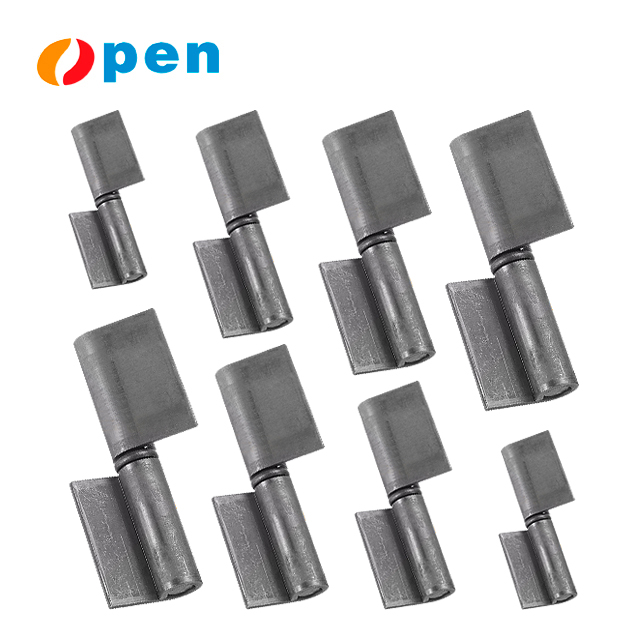
Hinges form the backbone of doors, cabinets, and all sorts of industrial gear. When they fail, things get messy fast safety risks pop up, operations grind to a halt, and repair bills start climbing. Overloaded hinges can cause doors to come loose without warning, which means potential injuries for workers or expensive damage to delicate equipment. The numbers tell a story too according to those 2023 maintenance reports, hinge problems actually cause around 23% of unexpected shutdowns on factory floors. And when this happens, companies typically lose over $50k each time from lost production plus fixing what broke. That's why proper load testing matters so much. It checks how hinges hold up against constant pressure from static weights and also repeated movements during normal operation cycles. Testing gives manufacturers peace of mind knowing their products will last through daily wear and tear.
When there's no proper load bearing data available, engineers often end up specifying hinges that aren't strong enough for really important applications like fire exit doors or enclosures around heavy machinery. Imagine what happens if a hospital door hinge gives way during an emergency evacuation scenario? That kind of failure blocks critical escape routes when every second counts. Testing hinges according to specs is how we meet those international safety requirements such as EN 1935 and ANSI/BHMA standards that set minimum strength levels for commercial buildings. Getting hinges certified before installation actually cuts down on replacement costs over time by roughly forty percent versus fixing them after they break down. At the end of the day, checking load capacity isn't merely good engineering practice it's absolutely essential for protecting people's lives and keeping operations running smoothly without unexpected interruptions.
Standardized Hinge Load-Bearing Tests and What They Measure
Standardized testing protocols objectively evaluate hinge durability under real-world stresses—eliminating guesswork by quantifying performance thresholds through controlled laboratory simulations.
Static Load Test: Assessing Structural Integrity Under Sustained Force
The test determines how much weight a hinge can handle before it starts to bend permanently. Basically, they put a steady downward force on one side of the hinge for over a day, gradually adding more weight until something breaks or bends too far. Most heavy duty hinges can take well over 160 kilograms before showing any real signs of stress. What this tells engineers is where the hinge reaches its limit between just flexing back and actually getting damaged forever. These findings matter because they help set those important safety numbers architects need when specifying materials for buildings.
Dynamic Cycle Test: Evaluating Fatigue Resistance Over Time
In testing scenarios, hinges go through countless open-close movements while carrying weight, mimicking what happens over many years of actual usage. Specialized machines handle these tests automatically, running them at set angles and speeds while keeping track of how much wear occurs. Many top companies actually test beyond what EN 1935 standards require. Some run their samples through an incredible 1 million cycles with weights reaching 160 kilograms. Looking at the results shows interesting details about wear patterns. For instance, lateral movement stays below 0.02 mm even after half a million cycles. Most commercial quality hinges last between 200 thousand to a full million cycles before showing signs of fatigue. Common ways they fail include pins coming loose from their housing or cracks forming in the metal leaves themselves.
Both tests provide complementary insights: static tests define ultimate strength limits; dynamic tests expose long-term wear behavior under operational stress.
Key Design and Material Factors That Influence Hinge Load Capacity
Material Selection, Plate Thickness, Pin Diameter, and Manufacturing Consistency
The load capacity of a hinge really comes down to four main engineering factors working together. When choosing materials, carbon steel stands out for its ability to resist bending forces, whereas stainless steel gives extra protection against rust at the cost of just a little bit less stiffness. The thickness of the plates matters too because thicker ones spread out the stress better, which helps stop them from warping under pressure. Size makes a difference when looking at pins specifically. Tests show that going from an 8mm pin to a 10mm one can handle about half again as much twisting force according to ASTM standards. How consistently something is made also plays a role. Good manufacturing practices create even metal structures and properly aligned joints, so there aren't weak spots where things might break sooner than expected. Getting all these elements right means hinges can carry heavier loads while still holding up against wear and tear over time.
Compliance with Global Hinge Load Standards: EN 1935 and ANSI/BHMA
EN 1935 Certification Requirements for Commercial and Heavy-Duty Hinges
According to the European standard EN 1935, there are 14 different hinge grades determined by how much weight they can hold vertically. Grade 4 hinges rated at 800 Newtons work fine for regular commercial doors, but when we get to Grades 7 through 14, those are really needed for tough jobs such as hospital entrances or big industrial doors that see constant use. To get certified, hinges need to survive over 200 thousand movement cycles without breaking down, pass tests showing they resist rust, and include strong pin systems so nobody accidentally takes them apart during operation. When looking at Grade 10 and above applications, manufacturers specify that steel hinges should be at least 3 millimeters thick in their plates. This ensures they stay stable even after being subjected to long periods of pressure from heavy doors swinging open and closed repeatedly throughout the day.
ANSI/BHMA A156.1, A156.20, and A156.26 Load Classifications Explained
ANSI/BHMA categorizes hinges into three operational classes:
- Class 1 (light-duty): 400,000 cycles (e.g., interior residential doors)
- Class 2 (general commercial): 1.5 million cycles
- Class 3 (heavy traffic): 2.5 million cycles (hospital/industrial environments)
A156.1 defines cycle testing methodology; A156.20 mandates minimum pin diameters (⌕6 mm for heavy-duty hinges); and A156.26 governs corrosion resistance. Per 2023 benchmarks, Class 3 hinges must support ⌕1,360 N of vertical load without permanent deformation.
FAQs
Why is load-bearing testing essential for hinges?
Load-bearing testing ensures that hinges can withstand daily wear and tear and prevent potential safety risks and costly repairs.
What are the main tests for hinge load capacity?
The primary tests include static load tests for structural integrity and dynamic cycle tests for fatigue resistance over time.
Which materials provide the best performance for hinges?
Carbon steel is excellent for bending resistance, while stainless steel offers superior rust protection.