EN
EN

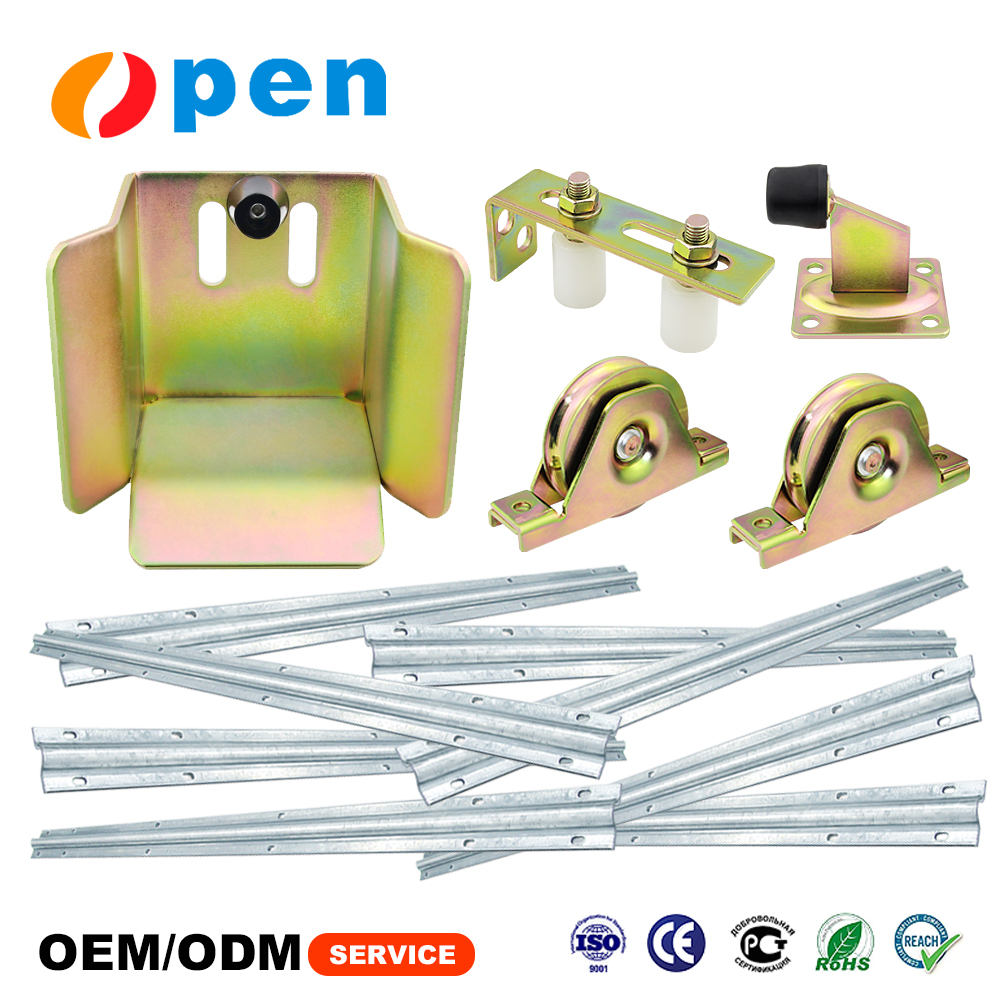
Galvanized Steel Sliding Gate Rails: Optimal Balance of Strength, Durability, and Cost
The galvanized steel used in sliding gate rails really stands out when it comes to holding up over time. Hot dip galvanization works by bonding molten zinc to steel at around 450 degrees Celsius, creating something pretty special. What happens is this process creates a tough protective layer that actually repairs itself if scratched, so corrosion doesn't stand a chance. Plus, these rails stay stable even when supporting heavy weights day after day. According to some industry research from SteelPro Group back in 2025, properly galvanized rails can last anywhere between 20 to 50 years in tough environments like coastal areas with salt spray or places near factories. That kind of longevity means no more worrying about rust causing gates to warp and misalign over time.
How Hot-Dip Galvanizing Enhances Structural Integrity and Long-Term Rail Stability
The zinc-steel alloy layer formed during hot-dip galvanizing provides three critical advantages:
- Corrosion resistance – Five times longer lifespan than uncoated steel in humid environments
- Impact resistance – Zinc coating absorbs mechanical stress, preventing micro-cracks
- Uniform protection – Complete coverage of rail surfaces and joints ensures consistent load distribution
This triple-layer defense maintains rail straightness within 0.5 mm/meter tolerance under 1,000 kg loads–preventing gate sag and roller derailment without requiring ongoing maintenance.
Real-World Validation: Zero Deflection in 12-Meter Commercial Sliding Gate Rails After 7 Years
A 7-year field study of galvanized rails at industrial facilities demonstrated sustained performance under demanding conditions–including daily 12-ton truck impacts and coastal exposure:
| Measurement | Initial Value | After 7 Years |
|---|---|---|
| Vertical deflection | 0 mm | 0 mm |
| Corrosion depth | 0 ¼m | <15 ¼m |
| Maintenance frequency | – | Zero repairs |
These results validate galvanized steel’s ability to retain critical alignment tolerances over time. With a projected 50-year service life, galvanized rails offer 40% lower lifetime costs than stainless steel alternatives.
Stainless Steel Sliding Gate Rails: Superior Corrosion Resistance with Engineering Considerations
Grade 304 vs. 316: Matching Stainless Steel Selection to Load, Environment, and Rail Stability Needs
Engineers who work on sliding gate systems tend to focus on two main things when choosing stainless steel options: how well it resists rust and whether it can hold up structurally over time. Grade 304 stainless works pretty well for places away from the coast where there's not much salt in the air, and it's also cheaper than other options. However, if the area has more than 500 parts per million of chloride (which happens near beaches or industrial areas), this grade starts showing signs of pitting corrosion after some time. That's why many professionals recommend Grade 316 instead for locations close to the ocean or factories. The reason? Molybdenum in Grade 316 gives it about three to five times better protection against chlorides. This makes all the difference in places exposed to saltwater mist or chemicals. Both types can handle regular gate weights around 1,200 kilograms without bending noticeably, but only Grade 316 keeps gates moving smoothly even in those really humid spots where salt levels are high.
Key selection criteria include:
- Environmental Severity: Grade 316 is essential within 5 miles of coastlines or where de-icing salts are used
- Structural Demands: Both meet ASTM A276 strength requirements; Grade 304 suffices for low-traffic residential gates
- Lifecycle Value: Grade 316’s 30+ year service life in corrosive zones justifies its 25% cost premium over 304
Selecting the right grade aligns material performance with real-world operational demands–preventing premature degradation while optimizing total cost of ownership.
Aluminum and Composite Sliding Gate Rails: Lightweight Alternatives for Low-Load, High-Aesthetic Applications
When 6061-T6 Aluminum Is Suitable – Understanding Deflection Limits Under 400 kg Gate Loads
The 6061-T6 aluminum sliding gate rails really stand out because they resist rust pretty well and are much lighter than steel alternatives. That makes them great choices for homes near the beach or buildings where looks count and people need something that's easy to work with during installation. But there's a catch worth mentioning. The strength of these rails gets limited by how stiff the material naturally is. Tests done by third parties show that the rails will bend just fine (no more than 2 mm per meter) as long as the gates weigh less than 400 kg total. Once things get heavier than that though, problems start popping up fast. The rails begin to sag too much which causes all sorts of issues down the line including tracks going out of alignment, rollers falling off completely, and motors working harder than they should. This can lead to premature wear on components and higher maintenance costs over time.
The weight limit works the same way for those composite rails that have aluminum inside them since they function based on identical mechanical concepts. Any gate over 400 kilograms needs either steel rails or specially designed composite alternatives if it's going to stay stable over time. Getting a structural engineer involved makes sense when checking these load numbers, especially important consideration for areas prone to strong winds. Wind creates extra stress that can actually boost pressure on structures by around 30 percent sometimes, so professional verification is definitely worth the investment before installation.
Installation Matters: How Ground Track Construction Directly Affects Sliding Gate Rail Stability
Concrete-Embedded vs. Surface-Mounted Rails – Impact on Alignment, Load Transfer, and Long-Term Performance
How we install sliding gate rails makes all the difference when it comes to keeping them sturdy during daily use. When we embed rails in concrete foundations as they pour, the weight gets spread out across solid ground below. This setup avoids those weak spots where pressure concentrates, stands up better against freezing ground movement and dirt washing away, and keeps gates aligned within about 2 millimeters for years without needing much fixing. Most folks won't even need to touch these systems for a long time after installation.
Surface mounted rails attach to whatever hard surfaces are already there on site. The upside is installation goes quicker, but there's a downside too since all the pressure gets focused right where those fasteners go, which can really bend or warp the rails when something heavy sits on them for long periods. Ground shifts happen every season, so these tracks tend to get out of line pretty often. People working in areas with normal weather patterns usually end up adjusting everything four times a year just to keep things aligned properly. Another problem worth mentioning is how water finds its way underneath these surface mounted systems. Once it gets down there near the fasteners, rust starts forming much faster than we'd like, especially around those connection points between different sections of track.
Critical distinctions include:
- Load Distribution: Embedded rails distribute weight across the full foundation; surface-mounted versions create localized stress zones
- Maintenance Intervals: Concrete systems require inspection every 24 months versus biannual adjustments for surface variants
- Environmental Resilience: Embedded installations withstand freeze-thaw cycles three times longer than surface alternatives in accelerated weathering tests
For permanent, low-maintenance stability–especially with gates over 400 kg–concrete-embedded rails eliminate point loads and environmental vulnerabilities, ensuring consistent wheel-track engagement throughout the system’s lifespan.
FAQ
What is hot-dip galvanization?
Hot-dip galvanization involves bonding molten zinc to steel at high temperatures, creating a protective layer that resists corrosion and repairs itself if scratched.
Why is Grade 316 stainless steel recommended near coastal areas?
Grade 316 stainless steel contains molybdenum, offering greater resistance to chlorides and corrosion, making it suitable for areas with high salt exposure.
What is the maximum weight aluminum gate rails support?
Aluminum gate rails can support up to 400 kilograms; heavier gates require stronger materials or specially designed alternatives.
How does concrete embedding improve rail stability?
Concrete embedding distributes weight evenly across the foundation, reduces stress concentrations, and provides greater resilience against environmental changes.
Table of Contents
- Galvanized Steel Sliding Gate Rails: Optimal Balance of Strength, Durability, and Cost
- Stainless Steel Sliding Gate Rails: Superior Corrosion Resistance with Engineering Considerations
- Aluminum and Composite Sliding Gate Rails: Lightweight Alternatives for Low-Load, High-Aesthetic Applications
- Installation Matters: How Ground Track Construction Directly Affects Sliding Gate Rail Stability
- FAQ